Anouncement

Anouncement
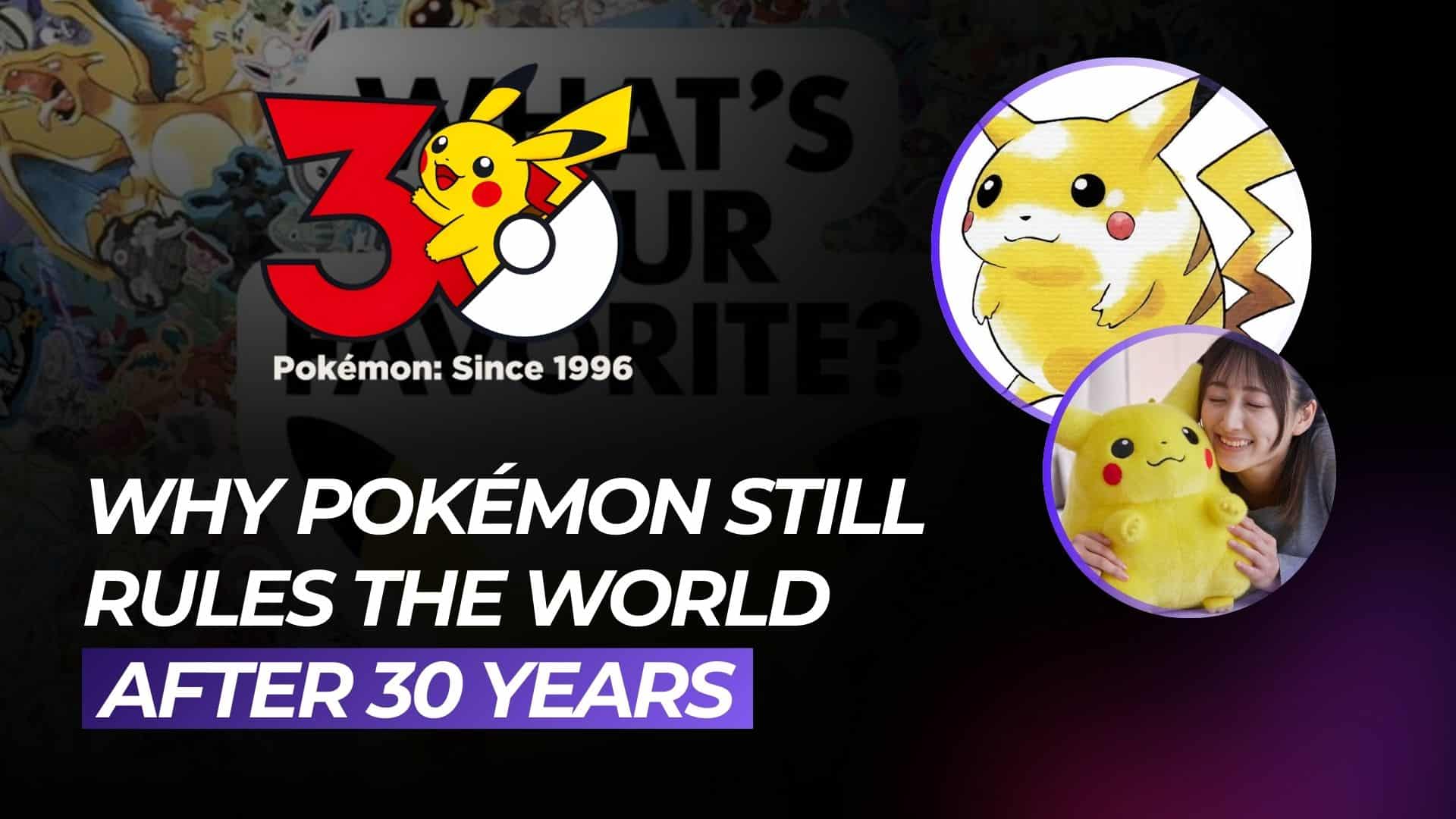

In 2026, Pokémon turns 30 — a milestone that is less a birthday and more a global cultural event. What began in 1996 as two Game Boy cartridges in Japan has grown into the highest-grossing media franchise in history, outpacing giants like Star Wars and Mickey Mouse & Friends in lifetime revenue. But Pokémon’s 30th anniversary is not just a victory lap. It is a masterclass in how intellectual property, nostalgia, urban spectacle, and multigenerational media strategy combine to sustain dominance across decades.
From immersive installations in Shinjuku to global digital campaigns, Pokémon’s anniversary demonstrates how a franchise can remain culturally central to both Millennials and Gen Z — while quietly exploring the edges of Web3 and AI.
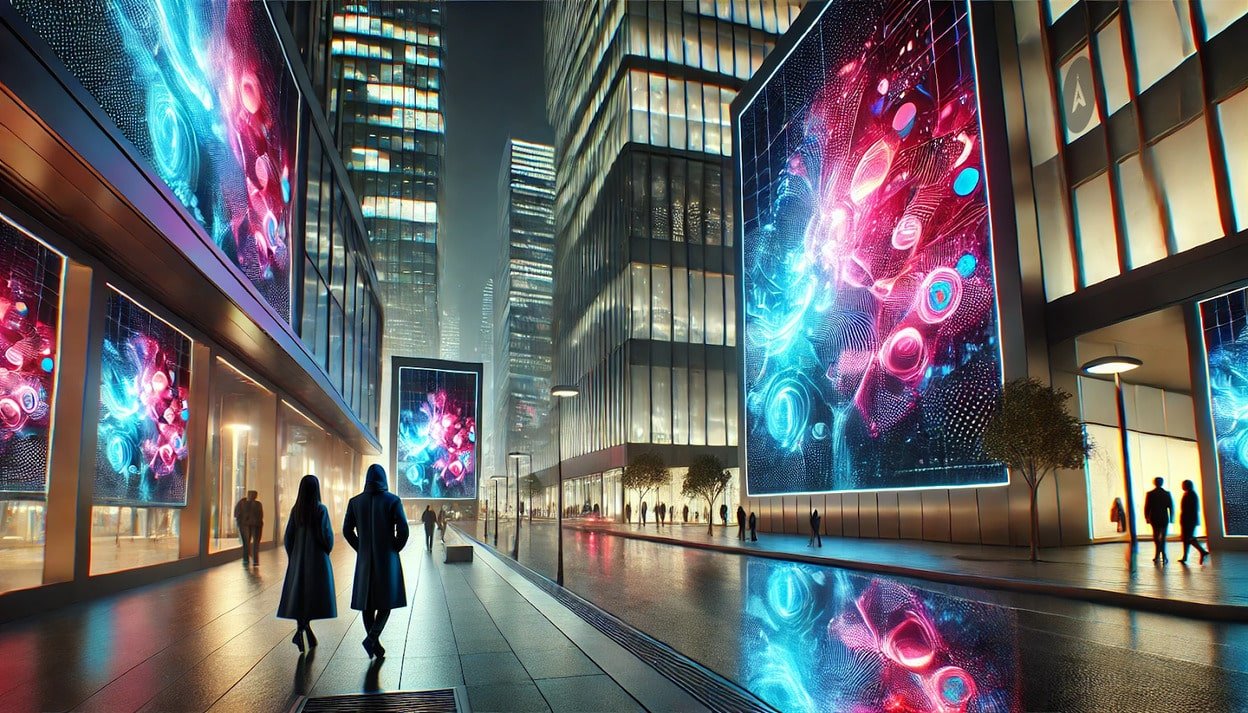
One of the most visually striking aspects of the 30th anniversary unfolded in Shinjuku, Tokyo — a district synonymous with neon lights, towering LED screens, and high-density foot traffic. At Shinjuku Station’s “Wall 456,” a massive digital display transformed into a scrolling, generational tribute to every Pokémon from Generation I through Generation IX .
The installation cycled through 30th-anniversary logo variants for each Pokémon, paired with background music from their respective generations. For Millennials, this meant hearing familiar Game Boy melodies as Bulbasaur or Charizard appeared. For Gen Z, it meant celebrating creatures they grew up with through Nintendo Switch titles and Pokémon GO.
The effect was powerful: a commuter corridor turned into a living, breathing Pokédex.
Beyond Shinjuku Station, Tokyo’s skyline itself became part of the celebration. The “Pokémon Trading Card Game Tokyo Luminous Night” projection mapped massive card artwork and characters across the façade of the Tokyo Metropolitan Government Building . The activation blended civic architecture with pop culture spectacle — a literal projection of trading cards onto the city.
These events exemplify Pokémon’s understanding of physical media presence in an era dominated by screens. Instead of retreating to purely digital marketing, the company embedded its celebration into the urban fabric. Fans didn’t just scroll past Pokémon; they walked through it.
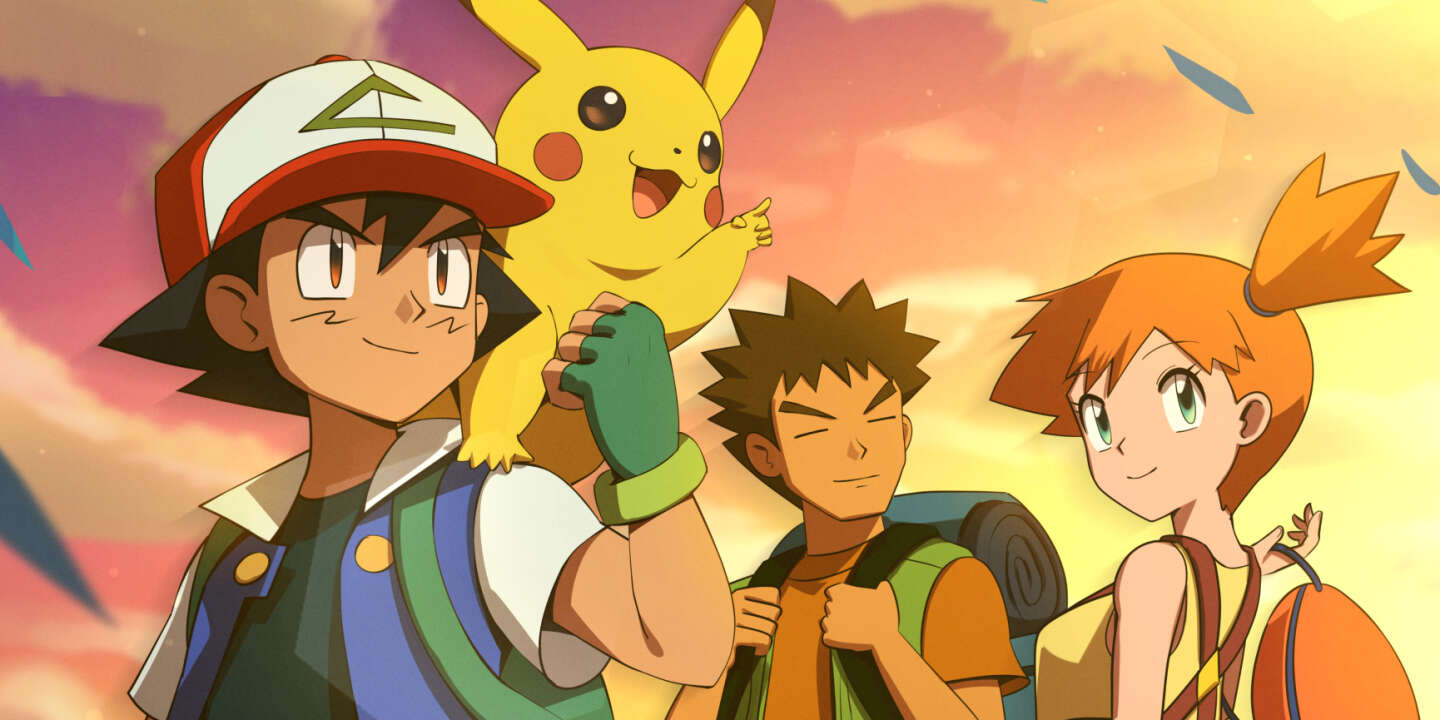
Millennials were the first generation of Trainers.
They remember the original 151 Pokémon. They remember link cables, playground trades, and lining up for Pokémon: The First Movie. For them, the 30th anniversary is deeply personal.
Anniversary branding leaned heavily into retro cues. The logo resurrected the rounded “Fat Pikachu” silhouette associated with early Game Boy art . Classic plush designs were reissued. Starter Pokémon from early generations were spotlighted in commemorative merchandise.
This is nostalgia as strategy.
By 2024, The Pokémon Company generated over $12 billion in annual revenue — much of it fueled by adult collectors re-entering the ecosystem with disposable income. Millennials who once traded cards at school are now driving TCG booms, purchasing reissued games, and traveling for anniversary events.
The company even segmented programming into “Day Out” and “Night Out” experiences, explicitly acknowledging older fans who want adult-oriented celebrations . This is rare in children’s media franchises — a direct recognition that nostalgia ages with its audience.

Gen Z’s relationship with Pokémon is less about a single childhood memory and more about continuous presence.
They discovered Pokémon through:
For Gen Z, Pokémon is not retro — it’s ongoing.
That is why hyper-visual activations like Shinjuku’s LED walls and projection mapping resonate. They are inherently Instagrammable and TikTok-ready. The anniversary campaign encouraged fans to share their favorite Pokémon globally, amplified through celebrity tie-ins and social hashtags .
In other words, Pokémon didn’t just celebrate 30 years — it optimized those 30 years for social circulation.
Pokémon’s dominance is not anecdotal. It is measurable.
As of the mid-2020s:
Various analyses rank Pokémon as the highest-grossing media franchise of all time .
What separates Pokémon from other entertainment giants is diversification. Its revenue does not rely solely on films or television. Merchandise, licensing, games, and trading cards form a layered ecosystem. A projection show in Shinjuku drives foot traffic to Pokémon Centers. A TCG resurgence boosts resale markets. A reissued game becomes a top eShop seller within days .
The anniversary campaign reinforced this flywheel. It wasn’t just celebratory — it was commercial momentum.
In a streaming era, why invest in giant LED screens?
Because Pokémon understands that presence equals permanence.
Shinjuku Station sees millions of daily commuters. By occupying that space, Pokémon inserted itself into everyday life. The Tokyo Metropolitan Government projection mapped fandom onto civic architecture. These are not niche fan conventions; they are mainstream visual declarations.
For a franchise built on collection and exploration, city-scale activations feel thematically aligned. They transform the urban environment into a shared experience — a collective memory.
While Pokémon has not aggressively embraced NFTs or crypto branding, it has shown awareness of Web3 infrastructure.
Past job listings sought expertise in blockchain and Web3 technologies . Reports also described “Digital Souvenirs” tied to Pokémon HOME and blockchain networks .
Crucially, Pokémon has avoided overt NFT hype. When unauthorized NFT projects emerged, legal action followed .
The “what if” scenario is compelling: imagine anniversary events issuing verifiable digital badges stored seamlessly in a wallet, without overt crypto language. Web3 as invisible infrastructure — not speculation, but authentication.
For Millennials wary of NFT crashes and Gen Z skeptical of hype cycles, subtle integration may be the only viable path.
AI’s role in Pokémon’s future is even more speculative.
However, Niantic — developer of Pokémon GO — has trained large geospatial AI models using player-submitted data . This hints at a future where AR and AI combine to make environments more responsive and immersive.
Imagine:
These possibilities align naturally with Pokémon’s ethos of discovery.
If the first 30 years were about building a universe, the next 30 may be about making that universe responsive.
The 30th anniversary proves something critical: nostalgia is not a finite resource. When managed carefully, it becomes renewable.
By reissuing FireRed and LeafGreen on Switch , Pokémon reactivated childhood memories while making them accessible to new audiences. By projecting TCG art onto Tokyo skyscrapers, it elevated collectibles into public art.
Every activation fed into:
The result was not just sentimental — it was structural reinforcement of brand dominance.
Pokémon’s 30th anniversary offers lessons for every major IP:
Despite originating in 1996, Pokémon does not feel old.
It feels iterative.
Shinjuku’s LED wall celebrated 1,000+ creatures. Projection mapping fused trading cards with skyline architecture. Social campaigns bridged celebrities and everyday fans. Merchandise revived childhood while embracing modern design.
For Millennials, Pokémon is memory.
For Gen Z, Pokémon is environment.
For the industry, Pokémon is proof that intellectual property, when cultivated carefully, can transcend generational turnover.

If the first 30 years built the world’s largest media franchise, the next 30 will determine how it adapts to:
But the foundation is already clear.
By turning Shinjuku into a living Pokédex, projecting TCG art onto Tokyo skyscrapers, and blending retro iconography with modern spectacle, Pokémon demonstrated that scale does not require reinvention — it requires evolution.
And evolution, after all, has always been at the heart of Pokémon.
Thirty years in, the franchise is not merely surviving nostalgia. It is weaponizing it — converting childhood memory into urban light shows, digital engagement, and billion-dollar ecosystems.
In 1996, trainers set out to catch them all.
In 2026, Pokémon proves it has caught the world.