Anouncement

Anouncement
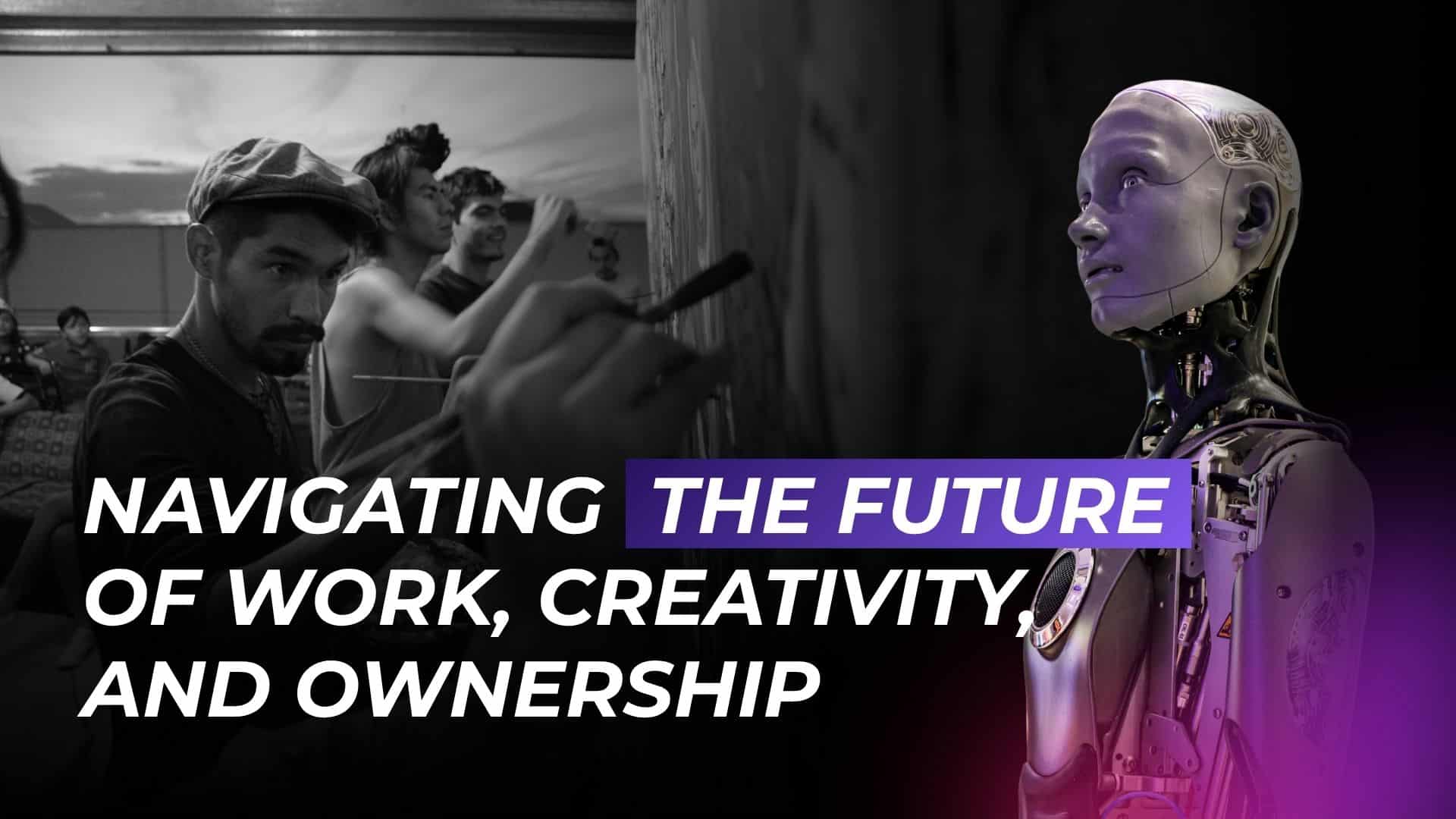

The traditional boundaries of the professional world are dissolving. We are no longer living in an era defined solely by 9-to-5 stability and corporate hierarchies. Instead, we have entered a transformative period where technology, individual agency, and creative expression are converging to redefine what it means to “work.”
In the latest episode of the podcast, I explored the shifting landscape of the digital economy. As we look toward the horizon of 2026, three pillars stand out as the foundation of this new era: the evolution of work, the democratization of creativity, and the revolutionary shift in digital ownership. This isn’t just a trend; it’s a structural rewrite of how humans provide value to one another.
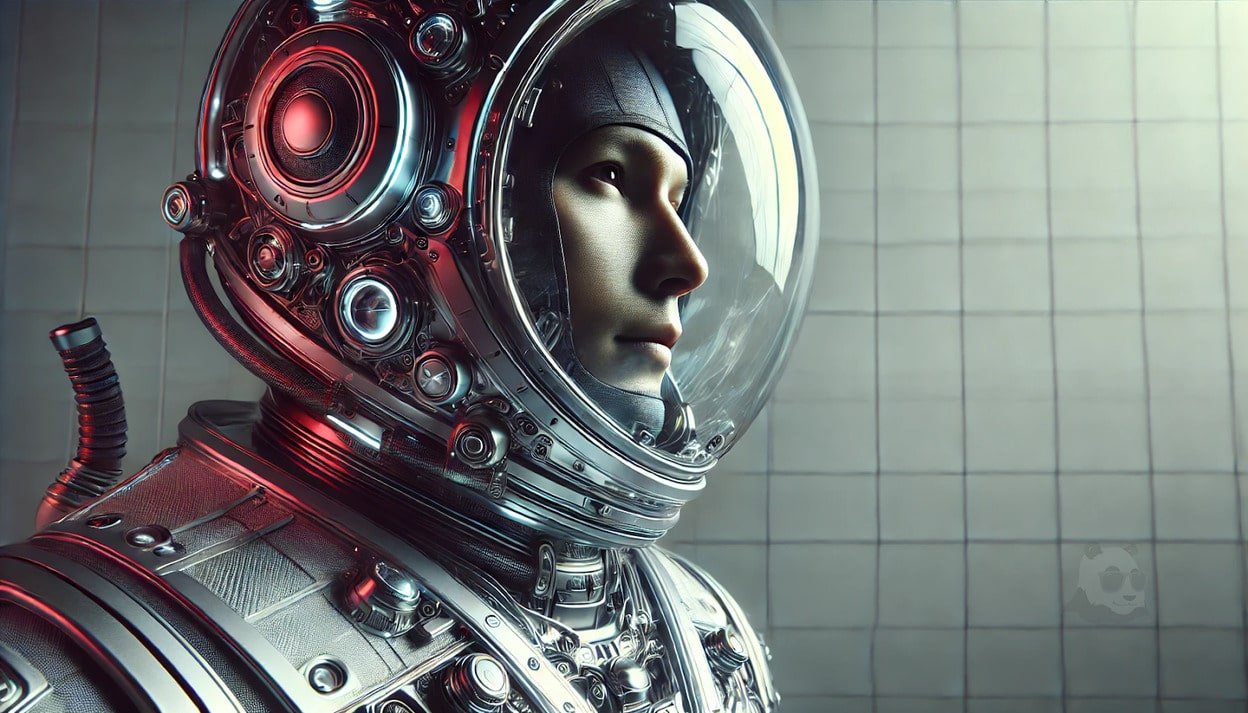
For decades, the “Future of Work” was a buzzword used to describe remote offices or flexible hours. Today, it represents a fundamental shift in the relationship between humans and their labor. As Artificial Intelligence (AI) continues to automate routine tasks, the most valuable skill a worker can possess is no longer specialized technical knowledge—it is adaptability.
I emphasized that the linear career path school, degree, 40-year tenure, retirement is dead. In its place is the “Squiggly Career.” In Episode 10, we learn that the future belongs to those who view themselves as lifelong students. In a world where software tools change every six months, the ability to learn, unlearn, and relearn is the ultimate competitive advantage. We are moving away from a “task-based” economy toward an “insight-based” economy. Employers and clients aren’t looking for people who can simply execute; they are looking for people who can navigate complexity, manage AI workflows, and provide human-centric solutions that code cannot replicate.
We are also seeing the rise of “fractional” work. Instead of giving 100% of their time to one company, high-level experts are diversifying their portfolios, offering their skills to multiple organizations simultaneously. This shift provides professionals with more autonomy and security. After all, having five clients is often safer than having one employer. If one client leaves, you lose 20% of your income; if one employer fires you, you lose 100%. This “portfolio career” approach is the new safety net for the modern creative professional.
If AI is handling the “logic” of work, humans must lean into the “magic.” Creativity has moved from the fringes of the arts to the very center of the business world. In the podcast, I discussed how creativity is becoming the primary driver of value in the digital age.
In the past, creating high-quality content or launching a global brand required a massive budget and a gatekeeper’s permission. You needed a studio, a publisher, or a distributor. Today, a creator in their bedroom has access to the same distribution power as a major studio. Tools like Canva, CapCut, and generative AI have lowered the barrier to entry, allowing anyone with a unique perspective to share it with the world.
However, as I pointed out, this democratization brings a new challenge: The Attention Economy. When everyone can create, the noise becomes deafening. To stand out, creators must focus on authenticity over algorithm-chasing. The future of creativity isn’t about who has the best gear; it’s about who has the most resonant story. People don’t buy “content” anymore; they buy “connection.” They want to see the human behind the pixels.
Creativity isn’t just about making videos or writing blogs. It’s about “combinatorial thinking”—the ability to take two unrelated concepts and merge them into a new solution. This type of creative problem-solving is exactly what the future of work demands. While an AI can give you a data-driven answer, only a human can understand the nuance of culture, emotion, and brand identity to apply that data in a way that truly moves the needle.
Perhaps the most provocative segment of Episode 10 revolves around the concept of Ownership. For the last decade, we have lived in the era of “Web2,” where we created content on platforms we didn’t own, for audiences we didn’t “hold”—the platforms did.
I explored how Web3 and blockchain technology are returning power to the individual. This isn’t just about NFTs or crypto; it’s about the fundamental right to own your digital identity, your data, and your intellectual property.
In the old model, if a platform changed its algorithm or banned an account, a creator’s entire livelihood could vanish overnight. You were a tenant on rented land. The future of ownership is built on decentralized protocols where the relationship between creator and community is direct. When you “own” your audience through decentralized email lists, token-gated communities, or blockchain-based social graphs, you are no longer at the mercy of a CEO in Silicon Valley.
This shift in ownership creates a more sustainable “Creator Middle Class.” You don’t need millions of followers to thrive. You need a dedicated few who value your work enough to support you directly. By owning the distribution channel, you capture 100% of the value you create, rather than giving 30% to 50% to a platform intermediary.
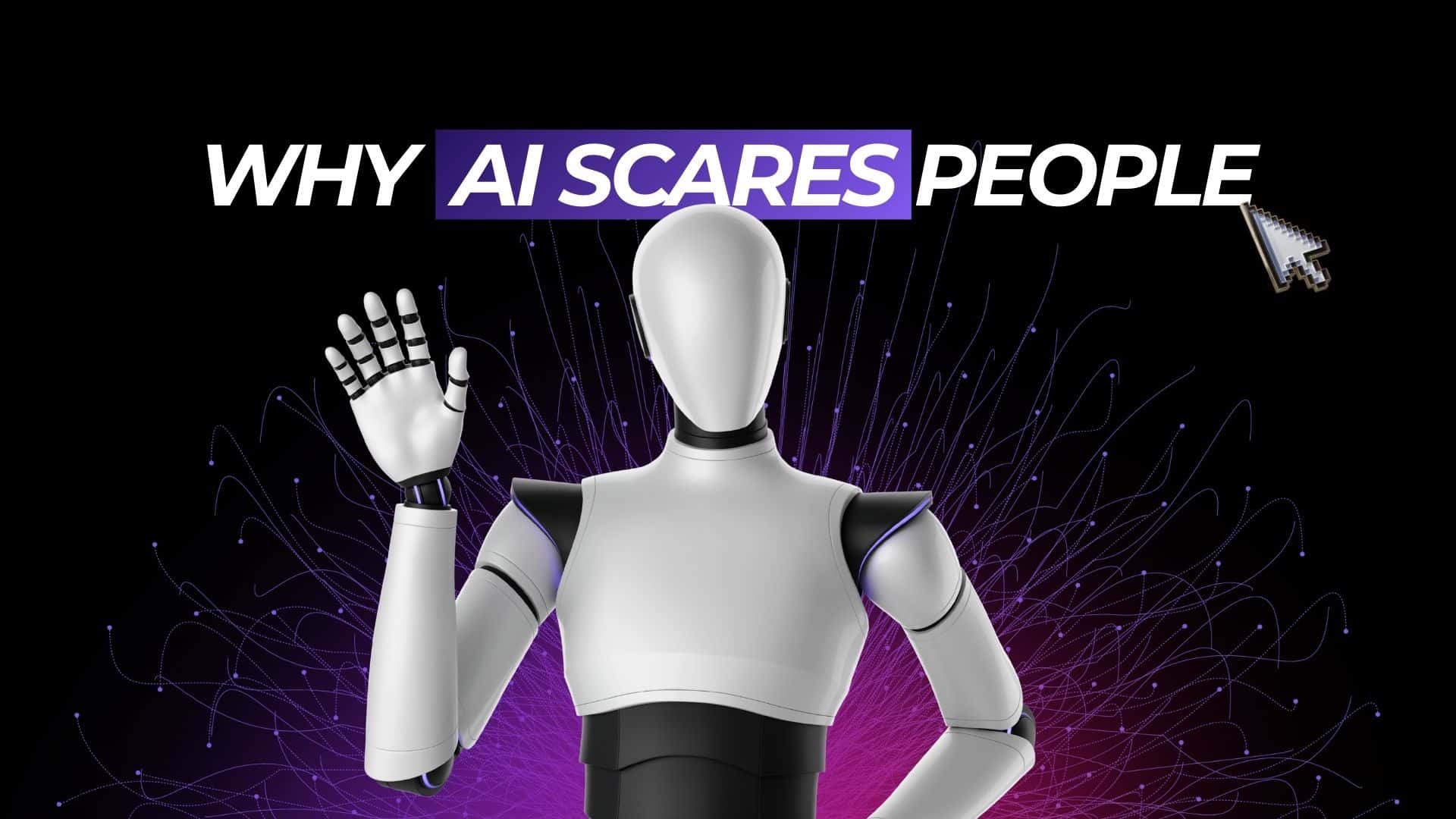
A recurring theme in the episode is the “Fear vs. Fuel” debate regarding AI. I posit that AI should be viewed as a “co-pilot” rather than a replacement.
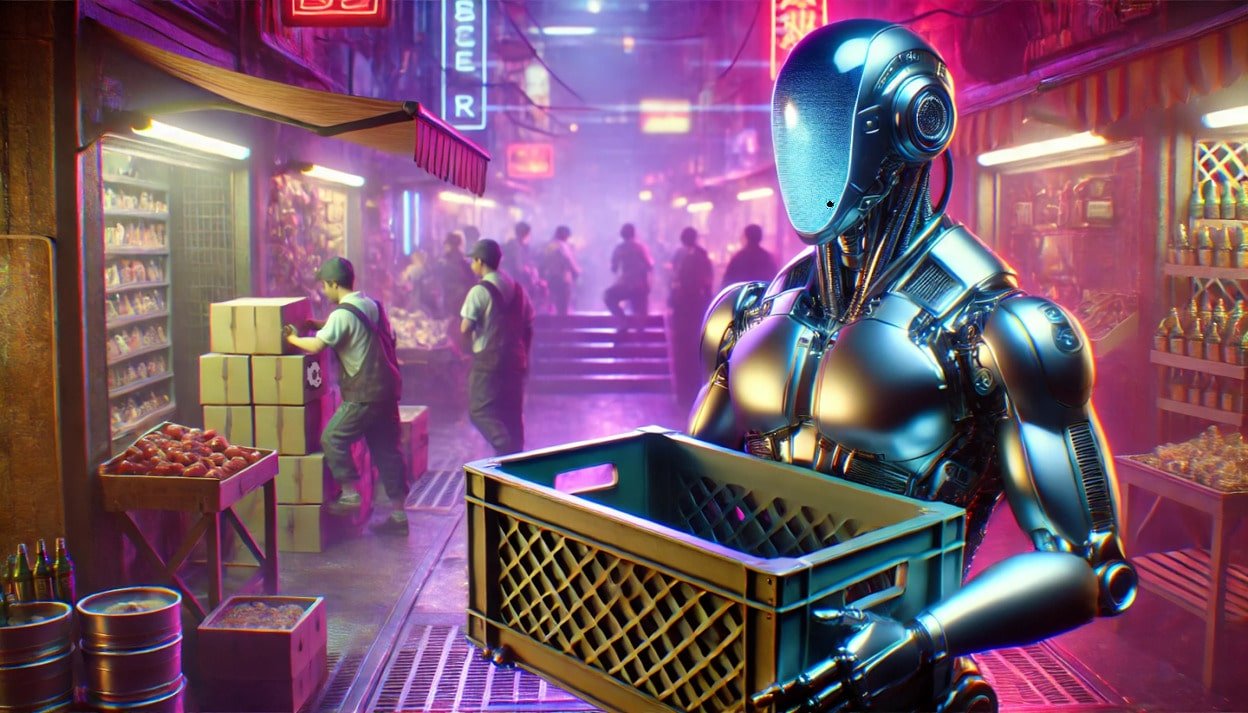
By leveraging AI to handle the “drudge work”—data analysis, transcription, basic drafting, and administrative tasks—humans are freed to spend more time in their “Zone of Genius.” If it takes you four hours to edit a video and AI can do the rough cut in four minutes, you haven’t lost four hours of “work”; you’ve gained four hours of “visionary time.”
The future of work is a hybrid model. It’s the marriage of high-tech efficiency and high-touch human connection. Those who thrive will be the ones who use technology to amplify their humanity, not hide it. I suggest that the more digital our lives become, the more valuable “analog” traits become: empathy, ethics, intuition, and community building.
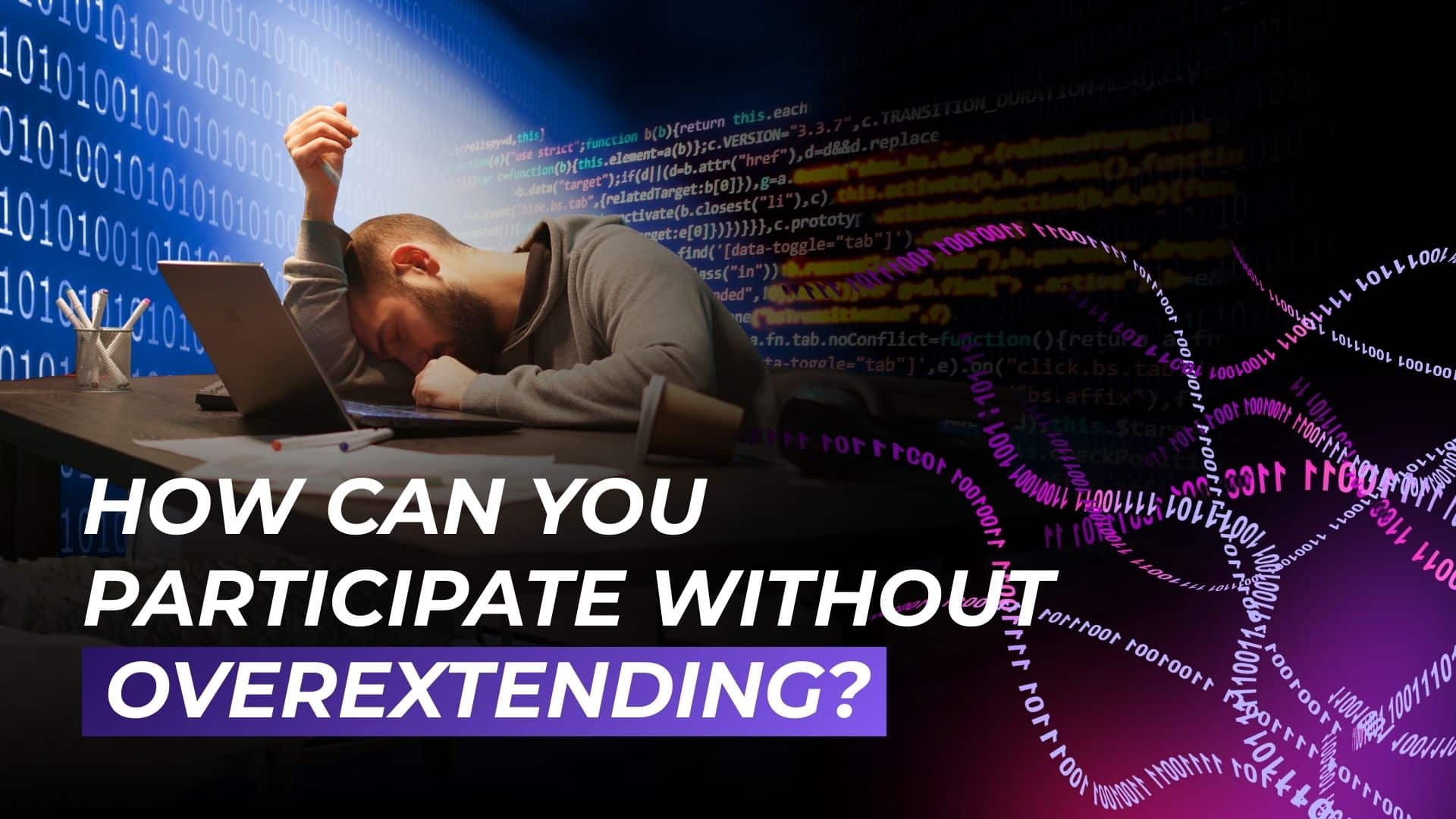
One of the most relatable parts of Episode 10 is my discussion on the mental health toll of the new economy. When work, creativity, and ownership are all tied to your personal identity, it’s easy to fall into the trap of “always-on” culture.
To survive the future of work, we must master the art of the “disconnect.” I talked about the importance of setting boundaries with our tools. Just because you can work from anywhere doesn’t mean you should work from everywhere. The most creative minds are those that allow for “white space”—periods of boredom and reflection where the best ideas are born.
We are shifting from a culture of “productivity for productivity’s sake” to one of “purposeful output.” In the podcast, I challenged listeners to ask: Why am I creating this? If the answer is just to feed the algorithm, you will eventually burn out. If the answer is to solve a problem or express a truth, you will find the stamina to keep going.
I conclude the episode with a practical call to action for his listeners. To navigate this new world, you cannot remain passive. You must:
The Future of Work, Creativity, and Ownership is not a destination we are moving toward—it is a reality we are already living in. As I brilliantly illustrate in Episode 10, the “rules” of the game have changed fundamentally. The goal is no longer just to find a job; it’s to design a life where your work is an extension of your creativity, and where you own the value you create.
The gatekeepers are gone. The tools are in your hands. You have the power to be your own broadcaster, your own CEO, and your own creative director. The only question left is: What will you build with this new power?
For more deep dives into the intersection of technology and humanity, make sure to subscribe to my YouTube channel and hit the notification bell for Episode 11.