Anouncement

Anouncement
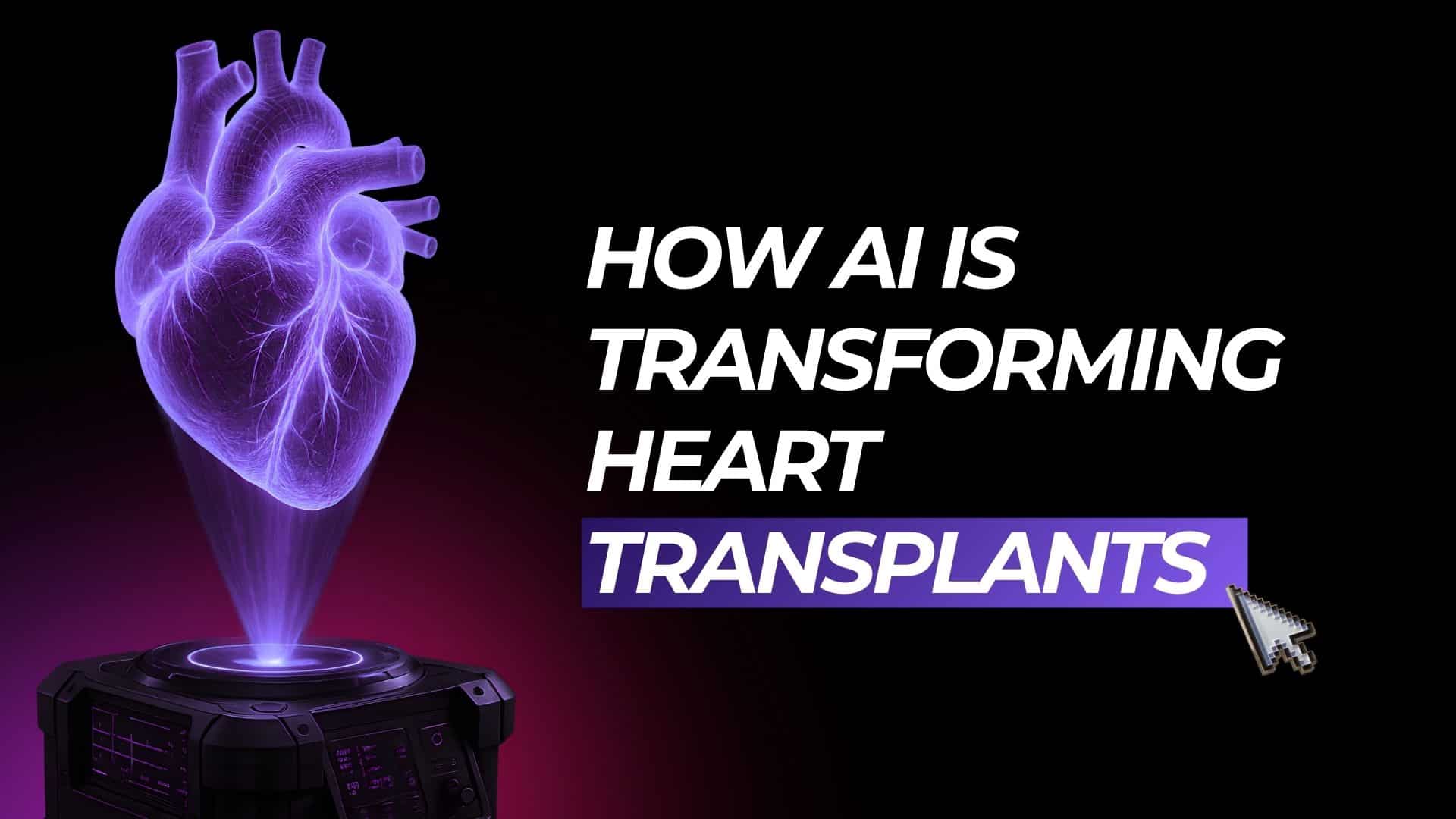

February is often painted in shades of pink and red—a month devoted to romance, affection, and all things heart-shaped. But beyond chocolates and love letters, the heart carries a deeper meaning. It is not just a symbol of love; it is an organ that sustains life. And for thousands of people waiting for a second chance, the heart is quite literally everything.
This Heart’s Month, ATTN.LIVE takes a different, more life-saving angle on love: how artificial intelligence is reshaping heart transplants and modern medicine. From diagnosing heart disease earlier to matching donor hearts more accurately and improving post-transplant survival, AI is quietly becoming one of the most powerful allies in cardiovascular care.
But as AI’s role in medicine expands, so do the questions. Is this technology enhancing healthcare—or threatening it? And what does this mean for doctors, surgeons, and the future of medical science?
Let’s break it down.
Artificial intelligence is no longer a futuristic concept in healthcare—it is already embedded across the medical ecosystem. According to Harvard Medical School, AI is transforming medicine by analyzing massive datasets faster and more accurately than traditional methods, assisting clinicians rather than replacing them.
AI systems are now used to:
The World Economic Forum reports that AI is increasingly critical in global health systems, particularly in addressing workforce shortages, improving diagnostic accuracy, and optimizing patient care pathways. Meanwhile, regulatory bodies like the U.S. Food and Drug Administration are actively developing frameworks to oversee AI-based medical software, recognizing both its promise and its risks.
In life sciences, platforms highlighted by Dataiku show how AI agents are being built to support research, drug development, and clinical workflows—reducing time, cost, and human error in critical processes.
Nowhere is this impact more profound than in heart care.
Cardiovascular disease remains one of the leading causes of death worldwide. AI is changing how heart conditions are detected, treated, and managed.
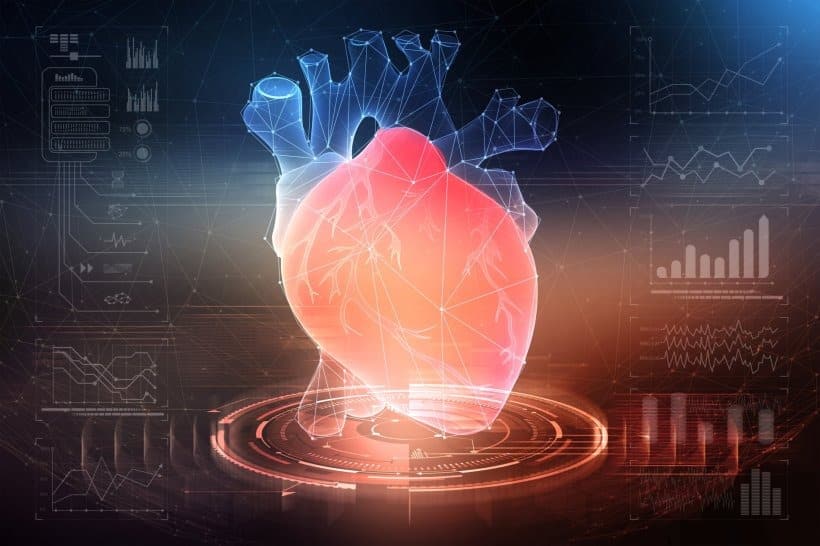
AI-powered imaging tools can analyze echocardiograms, CT scans, and MRIs with remarkable precision. Research published in cardiothoracic surgery journals shows AI identifying subtle abnormalities that may be missed by the human eye, enabling earlier interventions.
According to Baptist Health and Johns Hopkins Medicine, AI-enhanced robotic systems are improving minimally invasive cardiac surgeries. These systems allow surgeons to operate with greater precision, reduced trauma, and faster patient recovery times.
Robotic cardiac surgery, supported by AI-assisted planning tools, allows surgeons to:
Studies from ScienceDirect and the Journal of Chest Surgery confirm that AI-driven models can help predict surgical risks and tailor procedures to individual patients—an approach often referred to as personalized or precision medicine.
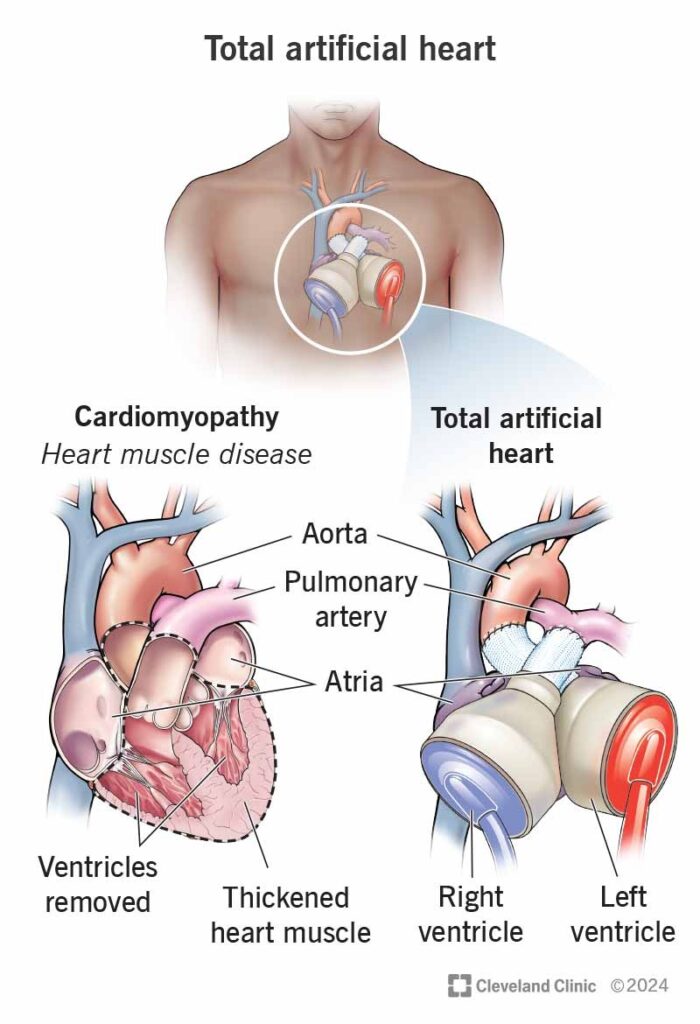
Heart transplantation is one of the most complex and high-stakes procedures in modern medicine. Every decision—who receives a heart, when, and how—can mean the difference between life and death.
This is where AI is making some of its most critical contributions.
According to research published on PubMed Central and reporting from Healthcare in Europe, AI systems can analyze vast amounts of donor and recipient data to improve matching accuracy. These systems consider factors such as:
By moving beyond traditional scoring systems, AI helps clinicians make more nuanced, data-driven decisions—potentially reducing organ rejection and increasing transplant success rates.
The Mayo Clinic reports that AI can predict how well a donor heart is likely to perform in a specific recipient. This has profound implications: fewer viable hearts are discarded, and more patients receive transplants in time.
Harvard Medical School further highlights AI tools that assist clinicians in determining optimal timing for transplants, managing waiting lists more effectively, and monitoring patients post-surgery for early signs of complications.
In short, AI is not replacing transplant teams—it is giving them better tools to save lives.
The transplant journey does not end after surgery. Post-transplant monitoring is critical, and AI plays a growing role here as well.
AI systems can:
These capabilities reduce hospital readmissions and improve long-term quality of life for transplant recipients, as noted in multiple clinical reviews.
With all these advancements, a pressing concern remains: Is AI a threat to the healthcare system itself?
According to analyses from BMJ Global Health, OECD, and Pneumon, the answer is nuanced.
AI in medicine introduces real challenges:
The OECD emphasizes that without proper oversight, AI could strain healthcare workers rather than support them—especially if poorly implemented systems add administrative burden instead of reducing it.
Contrary to popular fears, most research suggests AI is not replacing doctors or surgeons. Instead, it is reshaping roles. Healthcare professionals are increasingly expected to:
BMJ Global Health stresses that AI should be viewed as a clinical support tool, not an autonomous decision-maker.
So, is AI a danger to the future of medicine?
Based on the available evidence, AI is neither a miracle cure nor a looming villain. It is a powerful tool—one that amplifies both strengths and weaknesses within healthcare systems.
When responsibly developed and regulated, AI:
When misused or unchecked, it risks eroding trust, equity, and accountability.
This February, as hearts fill our screens and timelines, it’s worth remembering that some hearts are being saved—not by romance, but by data, algorithms, and human expertise working together.
AI’s role in heart transplants is not about replacing compassion with code. It is about giving doctors better tools to perform the most loving act of all: saving a life.
In the end, the future of AI in healthcare depends on balance—between innovation and ethics, efficiency and empathy. And if done right, AI may prove to be one of the most powerful expressions of care modern medicine has ever known
Baptist Health. (n.d.). The rise of AI in heart care: How robotic and minimally invasive surgery is getting smarter.
https://baptisthealth.net/baptist-health-news/rise-of-ai-in-heart-care-how-robotic-and-minimally-invasive-surgery-is-getting-smarter
BMJ Global Health. (2023). Artificial intelligence and the health workforce.
https://gh.bmj.com/content/8/5/e010435
Dataiku. (n.d.). Building AI agents for life sciences.
https://www.dataiku.com/stories/blog/building-ai-agents-for-life-sciences
Harvard Medical School. (n.d.). How artificial intelligence is disrupting medicine—and what it means for physicians.
https://learn.hms.harvard.edu/insights/all-insights/how-artificial-intelligence-disrupting-medicine-and-what-it-means-physicians
Harvard Medical School. (n.d.). Heart-saving AI.
https://hms.harvard.edu/news/heart-saving-ai
Healthcare in Europe. (n.d.). Heart transplantation: AI as decision-making support.
https://healthcare-in-europe.com/en/news/heart-transplantation-ai-decision-making-support.html
Johns Hopkins Medicine. (n.d.). Robotic cardiac surgery.
https://www.hopkinsmedicine.org/health/treatment-tests-and-therapies/robotic-cardiac-surgery
Mayo Clinic. (n.d.). Five ways artificial intelligence promises to transform organ transplant.
https://www.mayoclinic.org/medical-professionals/transplant-medicine/news/five-ways-artificial-intelligence-promises-to-transform-organ-transplant/mac-20548221
OECD. (2024). Artificial intelligence and the health workforce.
https://www.oecd.org/content/dam/oecd/en/publications/reports/2024/11/artificial-intelligence-and-the-health-workforce_c8e4433d/9a31d8af-en.pdf
Pneumon. (2024). Risks of artificial intelligence in medicine.
https://www.pneumon.org/Risks-of-Artificial-Intelligence-AI-in-Medicine,191736,0,2.html
PubMed Central. (2022). Artificial intelligence in organ transplantation.
https://pmc.ncbi.nlm.nih.gov/articles/PMC9545856/
ScienceDirect. (2022). Artificial intelligence in cardiac surgery.
https://www.sciencedirect.com/science/article/pii/S2049080122010111
World Economic Forum. (2025). How AI is transforming global health.
https://www.weforum.org/stories/2025/08/ai-transforming-global-health/
U.S. Food and Drug Administration. (n.d.). Artificial intelligence software as a medical device.
https://www.fda.gov/medical-devices/software-medical-device-samd/artificial-intelligence-software-medical-device