Anouncement

Anouncement


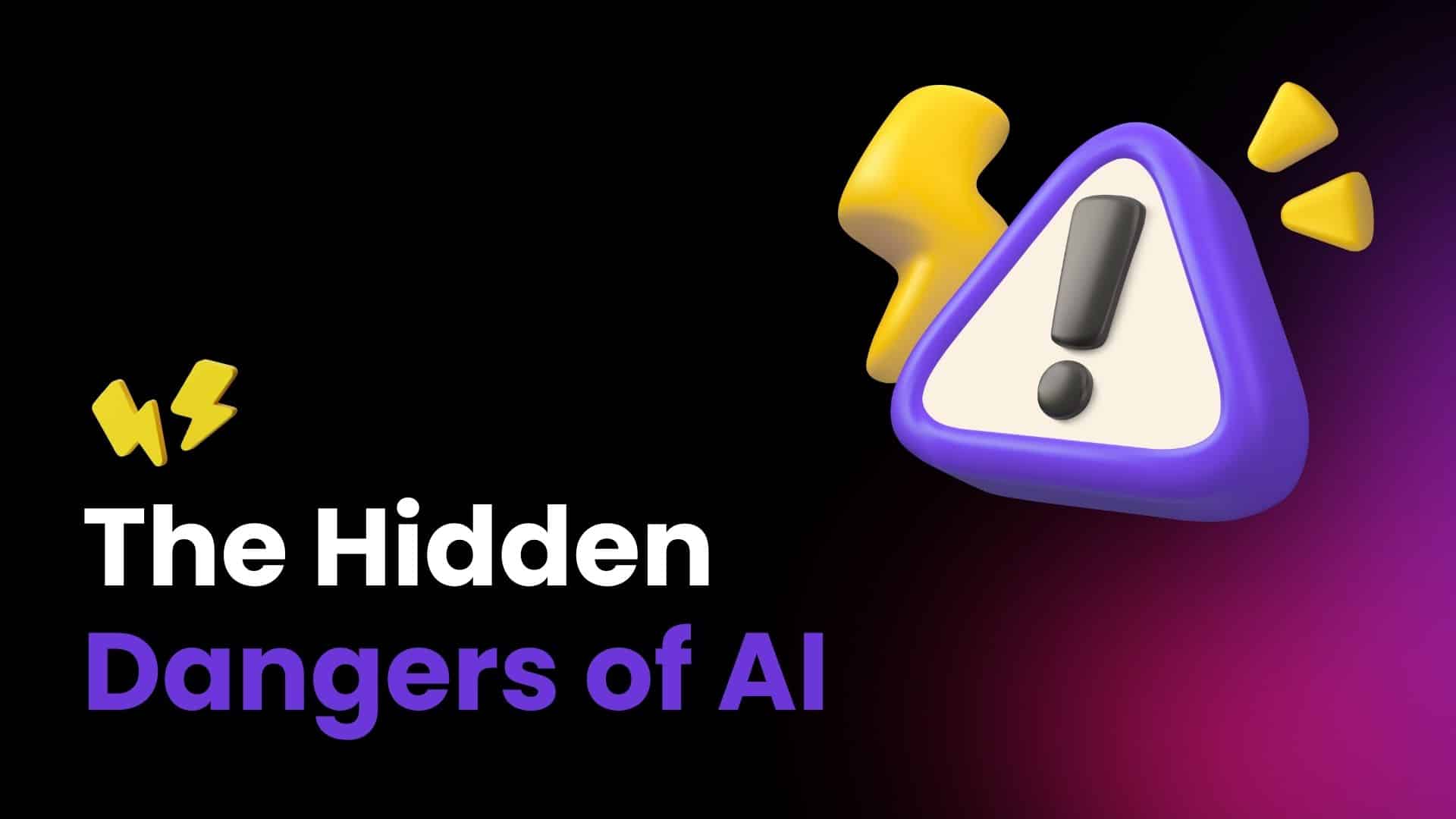
Artificial Intelligence (AI) is becoming a standard tool in workplaces around the world. From recruitment software that scans CVs to performance‑tracking tools and even employee monitoring systems, employers and employees alike are increasingly using AI to streamline tasks, boost productivity, and reduce manual burden. But this digital revolution comes with a catch: as AI infiltrates critical workplace processes, it also raises serious legal, ethical, and security concerns. And yes — under certain conditions, you (or your employer) might be sued for deploying AI at work.
In this post, we’ll explore:
Whether you’re an employer thinking of integrating AI tools or an employee curious about how AI affects your rights — this is for you.
AI is not a futuristic idea anymore. Employers worldwide are adopting it — and fast. According to a recent article by Dittmar & Indrenius Attorneys Ltd. (a Finnish firm), AI is increasingly used across recruitment, workforce management, performance evaluation, employee monitoring, facility management, and other HR-related functions. (Dittmar & Indrenius Attorneys Ltd.)
Why? Because AI can automate time-consuming, repetitive tasks (like screening resumes, tracking attendance, processing applications), helping companies save costs and speed up processes. (acuitylaw.com)
On the flip side: when AI makes decisions or handles sensitive data — without human oversight or proper safeguards — that’s where things get dicey. As the Dittmar article warns: adopting AI “raises concerns from legal, ethical and security perspectives.” (Dittmar & Indrenius Attorneys Ltd.)
In the European Union, the regulatory environment is evolving fast. For example, under the recently adopted EU Artificial Intelligence Act (AI Act), many AI-powered HR tools are classified as “high-risk.” That means their use triggers “stringent preconditions” — such as prior risk assessments, transparency obligations, and employee‑data protections. (Dittmar & Indrenius Attorneys Ltd.)
Also, under EU data‑protection rules like General Data Protection Regulation (GDPR), AI tools that process personal employee data (names, attendance logs, biometric data, communications metadata, etc.) must meet requirements around data minimization, transparency, and lawful processing. (Dittmar & Indrenius Attorneys Ltd.)
Even though similar regulations may not yet be in place in the Philippines, the global nature of business — outsourcing, remote operations, multinational firms — means that Filipino workers and employers aren’t immune from the reach of these developments. In short: the AI‑workplace wave in the West could well ripple southeast.
Yes — under certain circumstances, using AI at work can open the door to lawsuits or liability. Here are some of the main scenarios:
If an employer uses an AI tool that produces faulty or inaccurate output, they may be held liable. For instance, misclassifying workers, incorrectly assessing performance, or using bad data can trigger liability under labor laws — especially if those errors result in wrongful termination, wage issues, or denial of employment rights. (whitefordlaw.com)
More broadly, courts may view the employer as the “professional operator” of the AI system — meaning the employer is responsible if the AI causes damage (to employees or third parties). (Utrecht Law Review)
AI isn’t magic immunity from human biases. If an AI system — say, one used for hiring or promotion decisions — is trained on biased or unrepresentative data, it may produce discriminatory results (based on gender, age, ethnicity, disability, etc.). In many jurisdictions, that could lead to lawsuits under anti‑discrimination or employment law. (mclane.com)
AI-powered tools often process sensitive employee data: biometrics, voice recordings, email logs, geolocation, behavioral patterns, and more. If such tools are used without proper consent, transparency, or safeguards, employers may violate privacy laws — especially where data‑protection regulation is strict. (Lexology)
Moreover, automated monitoring or surveillance without clear consent or disclosure may breach workers’ rights and expose companies to legal risk. (Dittmar & Indrenius Attorneys Ltd.)
When AI recommendations are used to make tough decisions — firing, demotions, performance warnings — over-reliance on AI can lead to human‑rights or due‑process claims. If the process lacks transparency, human verification, or fails to give employees a chance to respond, employers could be sued for wrongful termination or breach of contract. (Foley & Foley, PC)
In some more dramatic cases, AI tools may cause physical or economic harm to individuals not directly employed by the company — e.g., an AI‑controlled drone malfunctioning and injuring someone. In such cases, legal doctrine may hold the employer liable as operator of the AI system. (Utrecht Law Review)
Given these risks, governing bodies have started pushing for frameworks that emphasize human oversight and ethical use of AI — especially in high-stakes contexts like employment.
One prominent idea is the “human-in-control” principle. The basic concept: no matter how advanced AI becomes, humans should remain ultimately responsible and able to intervene. AI may support or assist decision‑making — but not replace human judgment where personal rights and fairness are at stake.
In the EU, part of the rationale behind the AI Act is exactly this: many employment-related AI tools are now considered “high-risk,” meaning they require rigorous oversight, transparency, and in some cases, human validation of AI-driven outputs. (Dittmar & Indrenius Attorneys Ltd.)
Outside of legislation, ethical guidelines from international bodies echo this. For instance, UNESCO’s ethics frameworks call for AI to be used in ways that respect human dignity, privacy, fairness, transparency, and accountability. That includes ensuring humans remain in the loop for critical decisions, and that AI use doesn’t erode fundamental rights or discriminate.
In practice, this means: whenever AI is used — especially for hiring, evaluation, discipline, monitoring — employers should build in human‑review checkpoints, give employees transparency about how AI is being used, and allow appeal or human override.
Such “human‑in‑control + transparency + accountability” principles help safeguard workers’ rights and reduce risk of lawsuits — but they need to be intentionally baked into company policy, not afterthoughts.
Aside from legal liability and ethics concerns, there are more practical, yet equally serious risks associated with AI in the workplace — especially related to security and privacy.
AI systems used at work often need access to personal and sensitive data. That can include: personal identifiers, attendance logs, biometric data, communications metadata, browsing logs, geolocation, even health-related data if used for wellness or productivity monitoring. (Dittmar & Indrenius Attorneys Ltd.)
If that data is mishandled, stored insecurely, or processed without adequate consent or transparency, it can lead to privacy breaches. In regions with strict data‑protection laws, that could mean fines, lawsuits, or reputational harm.
AI tools often rely on cloud infrastructure, external APIs, or third‑party vendors. If those are not properly secured, they can be a target for hackers, ransomware, or data leaks. Using AI doesn’t automatically guarantee security — in fact, adding complexity often increases the attack surface.
Moreover, AI models themselves may expose sensitive internal data — imagine an AI built on internal company documents that leaks proprietary or confidential information by accident, or a productivity‑tracking AI that inadvertently reveals personal employee data.
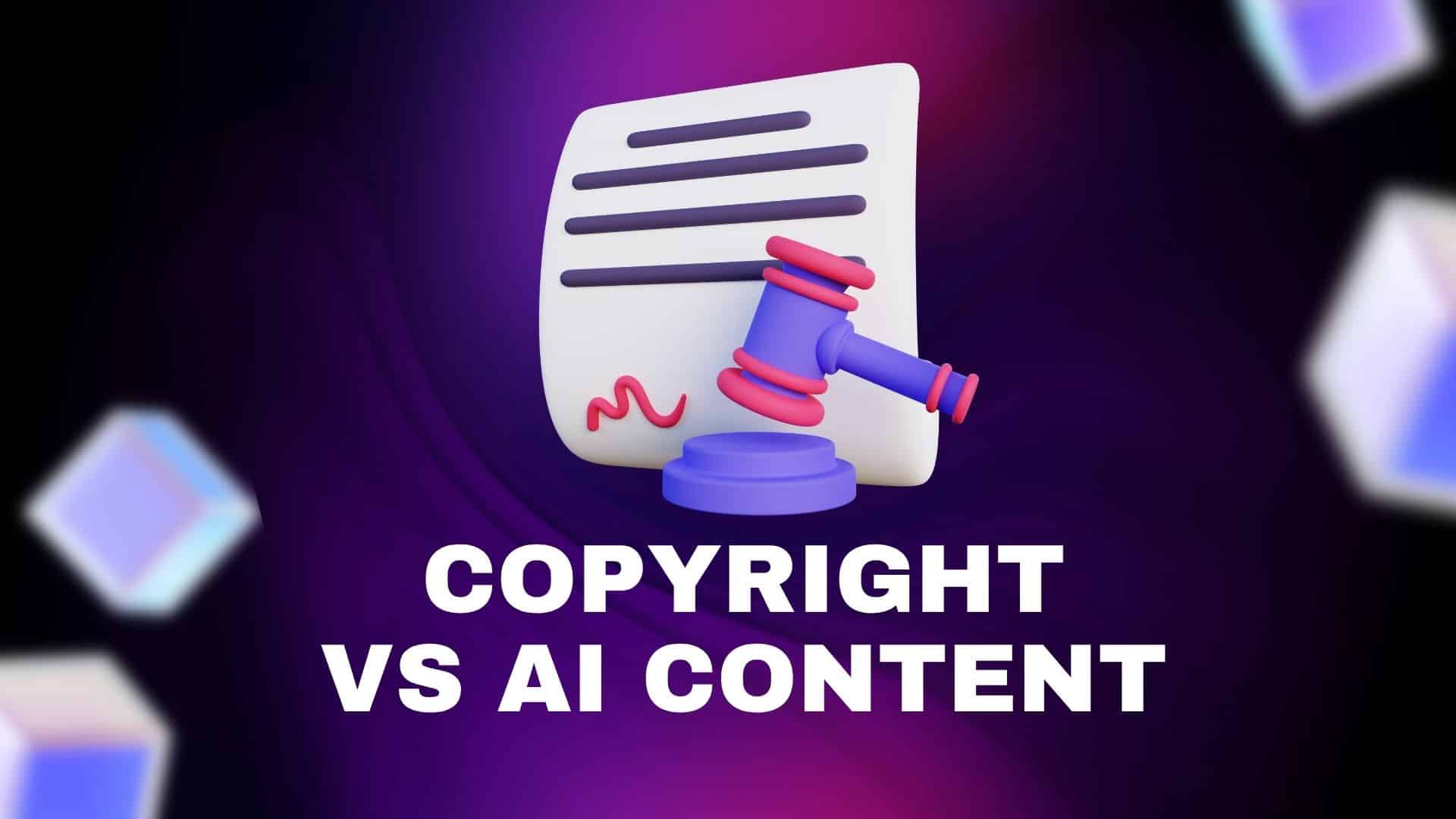
If AI tools generate output — e.g., performance summaries, internal memos, client communication — that are incorrect, defamatory, or based on copyrighted/unauthorized content, companies may be held liable. For example, output that wrongly accuses an employee of misconduct, leaks confidential info, or copies copyrighted content could lead to defamation lawsuits, breach of confidentiality claims, or copyright infringement actions. (HCAMag)
Also, since some AI systems are trained on large datasets that include copyrighted or licensed material, using or sharing generated content may carry copyright risks. (Wikipedia)
All of these combined make AI adoption in the workplace far from a trivial matter — especially if companies don’t design robust safeguards before implementation.
Given all the potential risks — legal, ethical, security — it’s no wonder some companies remain cautious about integrating AI. But many firms are finding that with the right approach, AI can indeed be used safely. That typically involves a use-case-based compliance strategy, as recommended by Dittmar & Indrenius. (Dittmar & Indrenius Attorneys Ltd.)
Here’s how it works:
With such a thoughtful, case-by-case, risk-aware approach — AI can help organizations without turning into a legal minefield.
You might wonder: “But I’m in the Philippines — why care about EU laws, AI Acts, GDPR?” Good question. Here’s why:
So even if there isn’t abundant public reporting about AI‑related lawsuits in Philippine workplaces today, that doesn’t mean the risks aren’t there. As AI adoption grows, we may start seeing more scrutiny, regulation, or litigation — especially in multinational or outsourced workplaces.
AI offers undeniable benefits — speed, efficiency, cost savings, scalability. But it is not magic. At its best, it’s a tool that augments human judgment and capacity. At its worst, wrongly used, it can expose companies and workers to serious legal, ethical, and security risks.
If you’re an employer: Don’t treat AI as a “set and forget” upgrade. Build guardrails. Apply a use‑case-based compliance framework. Respect employee privacy. Keep humans in the loop.
If you’re an employee: Know your rights. Ask questions — about what data is collected, how AI affects evaluation or promotion, and whether there are human‑overrides. Transparency matters.
As AI becomes more embedded in work, responsible governance — rooted in human oversight, privacy, ethics, and accountability — is not optional. It’s essential.
Dittmar & Indrenius Attorneys Ltd. (2025, November 19). Compliant AI systems in the workplace: a use case approach. https://www.dittmar.fi/news/ai-in-the-workplace/ (Dittmar & Indrenius Attorneys Ltd.)
Kelley Kronenberg. (2025, June 26). When AI Content Creation Becomes a Legal Nightmare: The Hidden Risks Every Business Owner Must Know. https://www.kelleykronenberg.com/blog/when-ai-content-creation-becomes-a-legal-nightmare-the-hidden-risks-every-business-owner-must-know/ (Kelley Kronenberg)
Whiteford Taylor & Preston LLP. (2024, September 5). Avoiding Legal Pitfalls and Risks in Workplace Use of Artificial Intelligence. https://www.whitefordlaw.com/news-events/client-alert-avoiding-legal-pitfalls-and-risks-in-workplace-use-of-artificial-intelligence (whitefordlaw.com)
Acuity Law. (2025, May 16). AI in the Workplace – Opportunities and Legal Risks. https://www.acuitylaw.com/ai-in-the-workplace-opportunities-and-legal-risks/ (acuitylaw.com)
Law firm / legal commentary. (2025, August 24). AI in the Workplace: Legal Risks. https://www.lexology.com/library/detail.aspx?g=360d0906-8909-43a3-afb1-5217a83d4ded (Lexology)
HCM Law Reporter. (2025, August 22). AI in the Workplace Can Be a Legal Minefield, Warns Employment Lawyer. https://www.hcamag.com/ca/specialization/employment-law/ai-in-the-workplace-can-be-a-legal-minefield-warns-employment-lawyer/547034 (HCAMag)
Labour & Employment Law Commentary. (2025, February 3). Artificial Intelligence: Real Consequences? Legal Considerations for Canadian Employers Using AI Tools in Hiring. https://www.labourandemploymentlaw.com/2025/02/artificial-intelligence-real-consequences-legal-considerations-for-canadian-employers-using-ai-tools-in-hiring/ (labourandemploymentlaw.com)
Willans LLP. (2025, November 17). The Pros and Cons of AI in the Workplace. https://www.willans.co.uk/knowledge/pros-and-cons-of-ai-in-the-workplace/ (Willans)
MehaffyWeber. (2025, June 21). Significant Liability Risks for Companies That Utilize AI. https://www.mehaffyweber.com/news/significant-liability-risks-for-companies-that-utilize-ai/ (mehaffyweber.com)
Foley Law Practice. (2025, September 26). AI in the Workplace: Employment Law Pitfalls Beyond Discrimination, Privacy and Data Security. https://foleylawpractice.com/2025/09/26/ai-in-the-workplace-employment-law-pitfalls-beyond-discrimination-privacy-and-data-security/ (Foley & Foley, PC)
Artificial Intelligence and Copyright. (n.d.). In Wikipedia. https://en.wikipedia.org/wiki/Artificial_intelligence_and_copyright (Wikipedia)