Anouncement

Anouncement
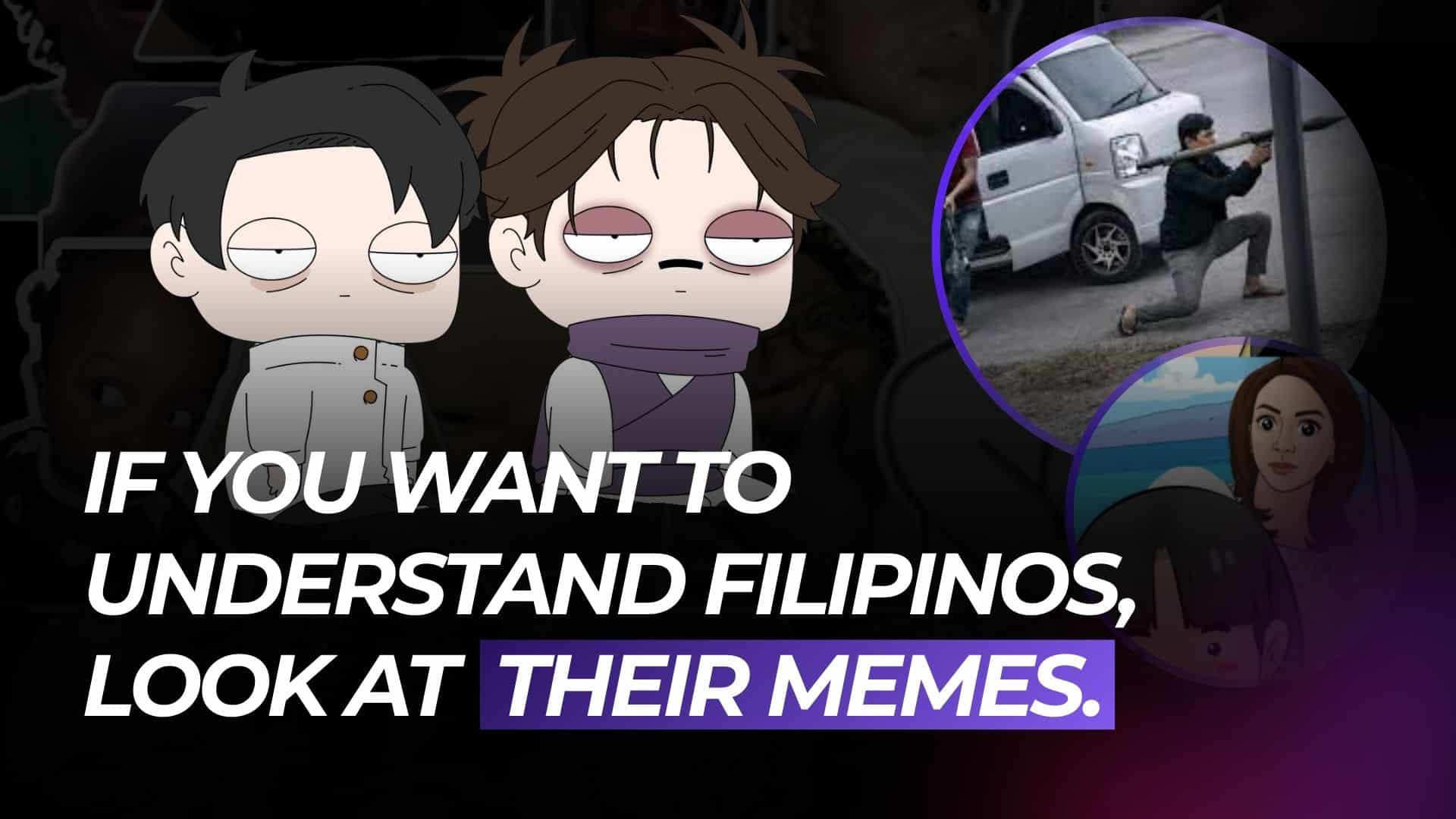


To outsiders, Filipino memes may look chaotic—random screenshots, exaggerated captions, recycled photos, and humor that jumps from absurd to painfully real in seconds. But to Filipinos, memes are not just jokes. They are language, therapy, protest, and connection rolled into one.
If you want to understand Filipinos how they cope, how they criticize power, how they build community, and how they survive daily life look at their memes.
In a country where social media penetration is among the highest in the world, memes have become the most accessible form of expression. They travel faster than essays, feel safer than public speeches, and reach further than traditional media. For many Filipinos, memes say what cannot be said out loud.
This is not accidental. Meme culture in the Philippines is deeply rooted in history, psychology, humor, and collective survival.
Globally, memes are entertainment.
In the Philippines, memes are infrastructure.
They fill gaps left by institutions—education, mental health, governance, even journalism. They compress complex emotions and realities into something that can be liked, shared, and understood in seconds.
Memes matter because they:
To understand why memes thrive so strongly in Filipino culture, we must look at how Filipinos communicate and survive.
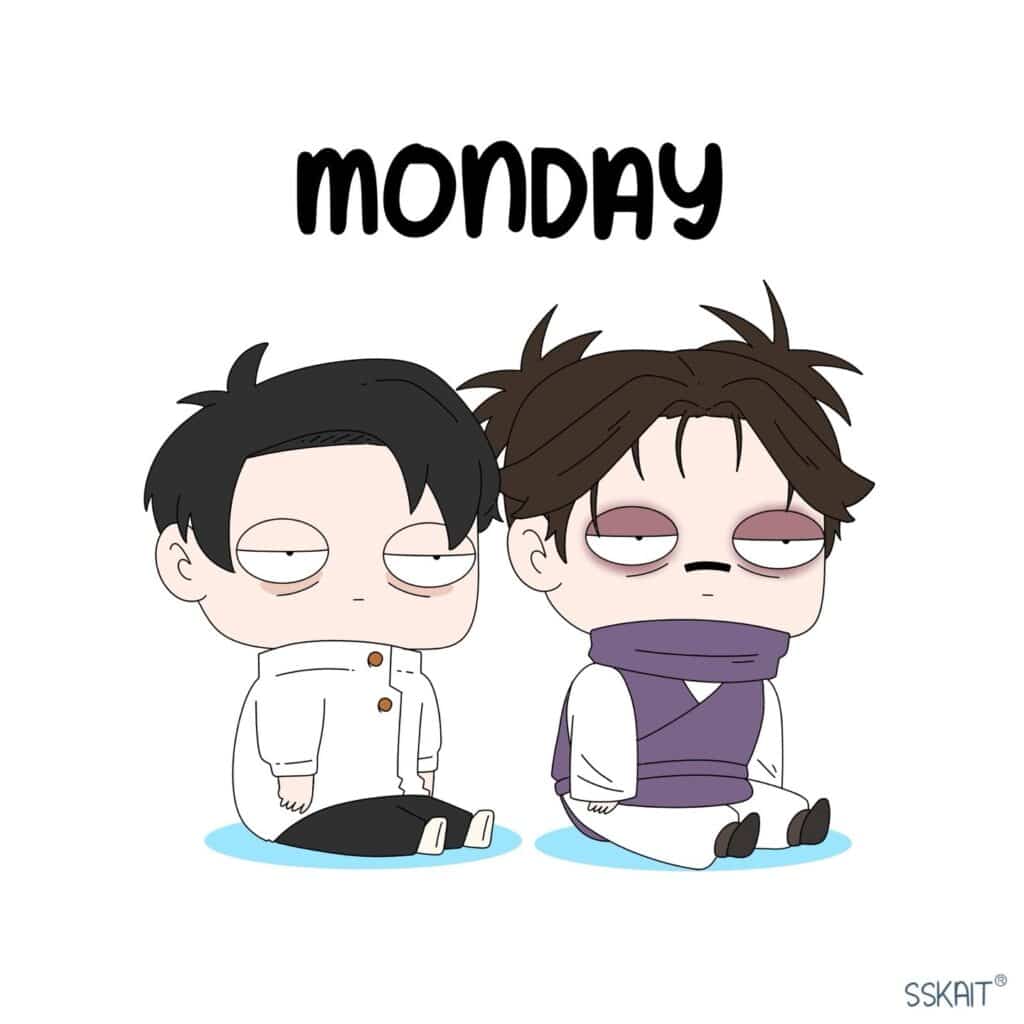
Credits to sharnie205
Filipinos are historically resilient—not because life is easy, but because humor has always been a survival tool.
From colonial rule to natural disasters, economic instability, traffic, low wages, and daily inconveniences, Filipinos have learned to laugh first, cry later.
Memes allow:
A meme about being broke, exhausted, or stuck in traffic becomes comforting because thousands of others react with “same.”
Humor becomes communal healing.
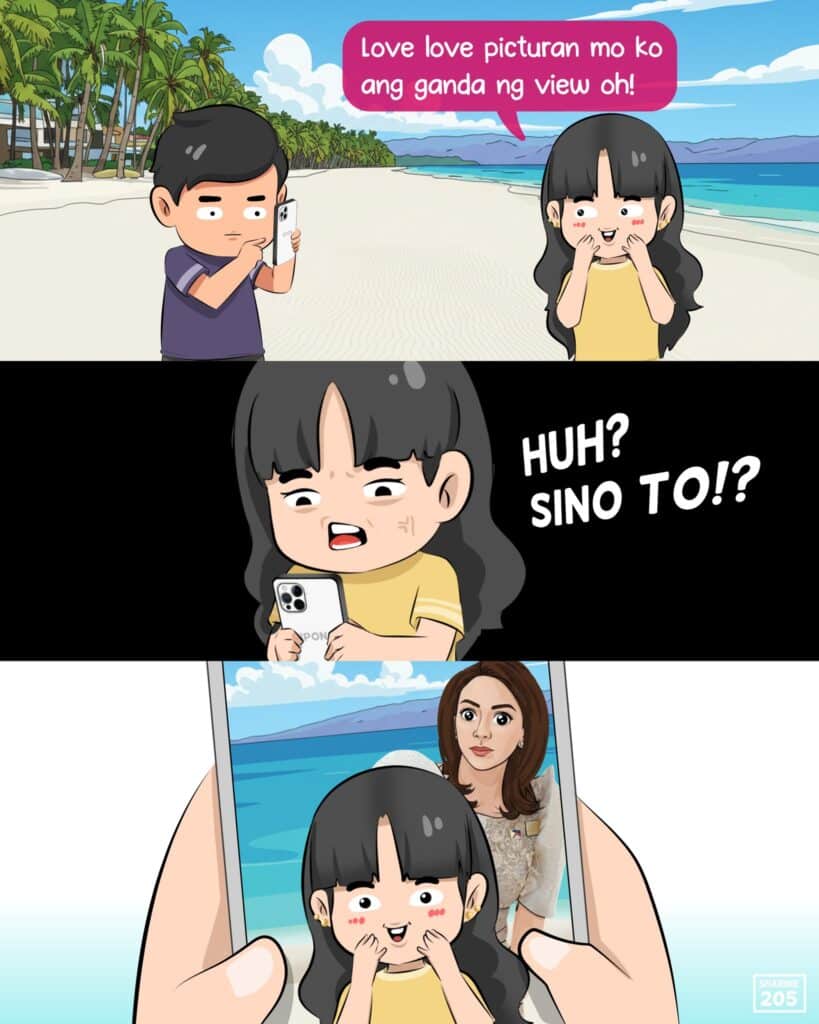
Credits to sharnie205
Filipino culture values pakikisama (smooth social relations) and avoids direct confrontation. Saying things bluntly can be seen as rude, disrespectful, or dangerous—especially when power dynamics are involved.
Memes provide a workaround.
Instead of saying:
“This system is unfair.”
A meme says:
photo of tired person + caption: “Pagod na pero walang choice.”
The message lands without direct conflict.
Memes allow Filipinos to:
This indirectness makes memes emotionally safe and socially acceptable.

Not everyone has access to education, platforms, or confidence to write long posts or opinion pieces.
But anyone can:
Memes democratize voice.
In a country with stark class divides, memes become a level playing field where humor, insight, and truth matter more than credentials.
In Filipino social media, memes are not content—they are conversation.
Instead of replying with paragraphs, Filipinos reply with:
Memes function like:
A single meme can say:
“I understand you.”
“That hurt.”
“That’s unfair.”
“That’s hilarious.”
“That’s so Filipino.”
Filipino memes work because they speak the language Filipinos actually use: Taglish, slang, abbreviations, and tone that outsiders often miss.
Examples:
These phrases carry emotional weight that translation cannot fully capture.
Memes preserve:
They become digital folklore.

Credits to sharnie205
Filipino memes obsess over the ordinary:
These memes do not exaggerate reality—they reflect it.
Because formal systems often fail to address these issues, memes become:
A viral meme about minimum wage can reach more people than a policy paper ever will.
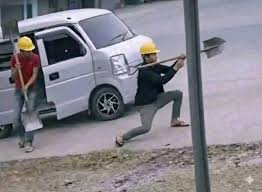
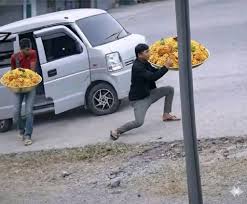
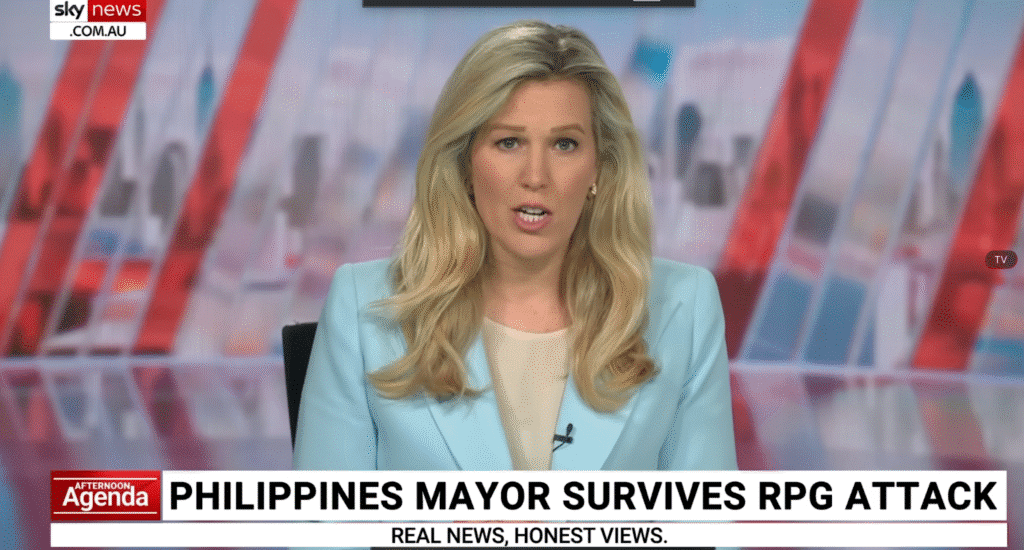
In the Philippines, memes are one of the most powerful tools of political discourse.
They are used to:
Why memes work politically:
A meme can do in seconds what speeches fail to do in years.
This power is double-edged. Memes can educate—but they can also manipulate. In the Philippines, where social media heavily influences public opinion, memes shape how people feel about politics more than how they understand it.
Filipino memes often recycle old images, TV scenes, and public moments. This repetition builds shared memory.
When a meme resurfaces, it says:
“Remember this?”
“We’ve been here before.”
“Nothing has changed.”
Memes archive national emotions—hope, frustration, sarcasm, disappointment—more honestly than textbooks.
Sharing the “right” meme signals belonging.
It says:
In diaspora communities, memes become cultural glue—connecting overseas Filipinos to home through humor and familiarity.
Several factors amplify meme culture in the Philippines:
Memes thrive where people need:
The Philippines offers all of that.
While memes empower, they also risk:
When everything becomes meme-able, pain can become entertainment, and accountability can dissolve into laughter.
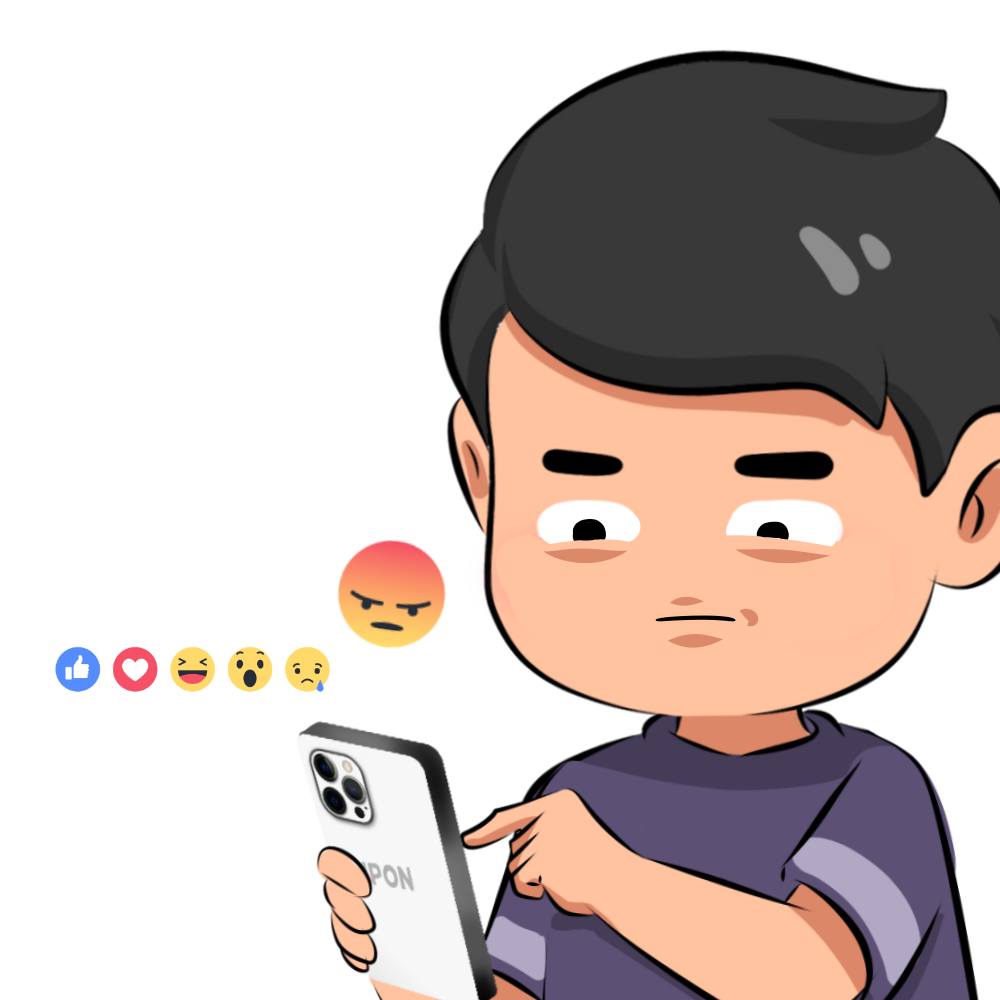
Understanding Filipino memes means recognizing both their strength and their limits.
Credits to sharnie205
Filipino memes reveal a people who are:
They show a society negotiating modern life with limited tools—using creativity where systems fall short.
If you want to understand Filipinos, don’t just read reports or watch speeches.
Scroll through their memes.
There you’ll find:
Memes are not distractions from Filipino reality.
They are translations of it.
In a country where life is heavy, memes make it shareable.
In a culture where speaking up is risky, memes make it possible.
In a society that survives together, memes remind people they are not alone.
If you want to understand Filipinos—
look at their memes.